





A panic attack is a sudden, intense surge of fear or discomfort that peaks within minutes. For those who experience them, it can feel like losing control, having a heart attack, or even dying. Understanding the science behind a panic attack is a powerful first step in demystifying and managing them.
During a panic attack, your body’s primal survival mechanism, the fight-or-flight response, is activated in the absence of real danger. The amygdala sounds an alarm, triggering the hypothalamus and pituitary gland. This cascade releases a flood of stress hormones, primarily adrenaline and cortisol, into your bloodstream. Your heart rate and breathing speed up to pump more oxygen to your muscles, your senses become heightened, and blood flow is diverted from non-essential systems like digestion. This is your body preparing to face a threat—except there’s no tangible threat to fight or flee from.
This physical onslaught is often accompanied by catastrophic thoughts (“I’m having a heart attack,” “I’m going to faint”), which further fuel the fear, creating a vicious cycle. To break this cycle, grounding techniques can be invaluable. The 5-4-3-2-1 method asks you to identify five things you can see, four you can feel, three you can hear, two you can smell, and one you can taste. This engages your senses and brings your focus to the present, away from the internal alarm.
Knowing that a panic attack is a “false alarm” of your nervous system—intense and frightening, but not dangerous—can reduce the fear of the fear itself. With this knowledge and simple tools, you can begin to ride out the wave of panic until your body naturally returns to a state of calm.
More from Anxiety & Stress

Breaking the Cycle of Chronic Worry: A Step-by-Step Guide
Stuck in a loop of "what if" thinking? Chronic worry can feel uncontrollable, but it is a habit that can …

Coping with Social Anxiety in a Return-to-Office World
Heading back to the office can be daunting for anyone with social anxiety. Discover practical, step-by-step strategies to rebuild your …
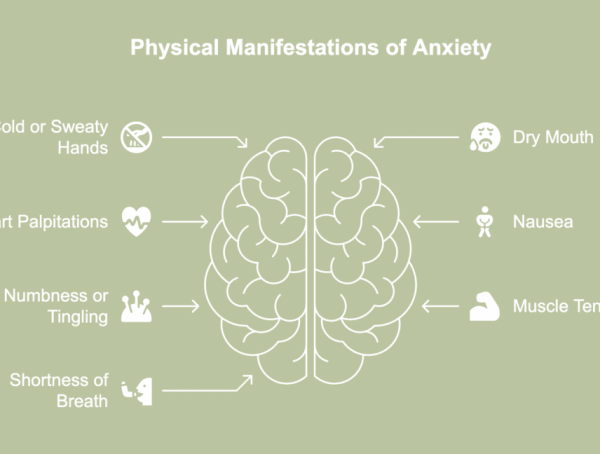
5 Physical Symptoms of Anxiety You Might Misinterpret
Anxiety doesn't only live in your thoughts. It often sends signals through your body. Learn to identify five common physical …