





Starting therapy is an investment in yourself, and like any investment, you want to see returns. While the therapist provides the guidance and framework, you are an active participant in your own healing. Here are practical ways to maximize the value of your sessions and accelerate progress.
1. Come Prepared. Therapy hour goes quickly. Spend a few minutes before your session reflecting: What has been on my mind this week? What emotion has been most present? Was there a conflict or a success I want to discuss? Having 1-2 topics in mind helps you dive right in. Some people find it helpful to keep a brief journal note between sessions.
2. Embrace Honesty, Even When It’s Uncomfortable. Your therapist can only work with what you share. If you’re feeling angry with them, embarrassed about a thought, or like you’re not “doing it right,” say so. Discussing what’s happening in the room (the therapeutic relationship) can be incredibly fruitful material.
3. Do the “Homework.” If your therapist suggests a practice—like a breathing exercise, a thought record, or setting a boundary—try it, even if it feels awkward. The real change often happens in the space between sessions as you implement new skills in daily life. Come back and discuss what worked or what was difficult.
4. Focus on Patterns, Not Just Events. It’s easy to spend a session recounting the week’s events. Try to go deeper: “When my boss criticized me, it triggered the same feeling of worthlessness I had as a child.” Highlighting these patterns helps you and your therapist understand the root of your reactions.
5. Give Feedback. Therapy is a collaborative process. If something isn’t working—the pace feels too fast, an exercise isn’t helpful, or you need a different approach—speak up. A good therapist will welcome this feedback and adjust to better meet your needs.
Progress in therapy isn’t always linear. Some weeks you’ll feel breakthroughs; others you might feel stuck. Trust the process, be patient with yourself, and remember that showing up and engaging is already a sign of success.
More from Therapy Guide

When to Consider Online Therapy: Pros, Cons, and How to Choose
Is online therapy a good fit for you? We explore the clear benefits of accessibility and comfort, the important limitations …
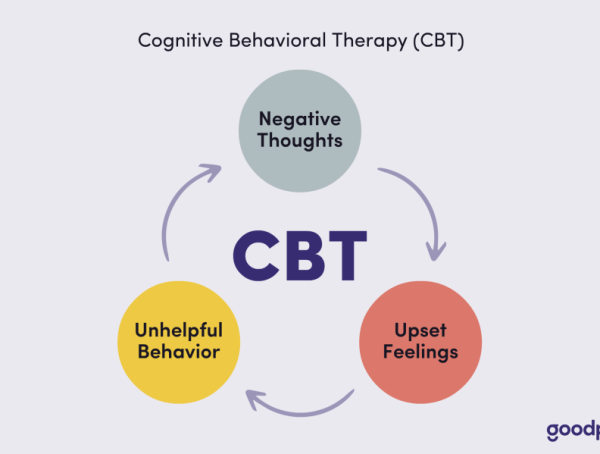
What is CBT? A Beginner’s Guide to Cognitive Behavioral Therapy
Cognitive Behavioral Therapy (CBT) is a highly effective, skills-based therapy. This beginner's guide explains its core principle—the connection between thoughts, …

Demystifying Therapist Licenses: LPC, LMFT, LCSW, and More
Confused by therapist credentials? This guide breaks down the key differences between LPCs, LMFTs, LCSWs, Psychologists, and Psychiatrists to help …