





Boundaries are not walls to keep people out; they are the gates and fences that allow for a healthy, respectful exchange. In relationships, they define where you end and another person begins—your limits regarding time, energy, emotions, and physical space. Setting them is an act of self-care and a foundation for mutual respect.
Many people struggle with boundaries due to fear: fear of conflict, of being seen as mean, or of losing the relationship. However, a lack of boundaries often leads to resentment, burnout, and erosion of the connection you’re trying to preserve. Healthy boundaries actually foster security and trust.
How to Set a Boundary:
1. Identify Your Limit. What is causing you stress or resentment? Is it a friend who calls late at night? A partner who makes plans without consulting you? Name the specific behavior.
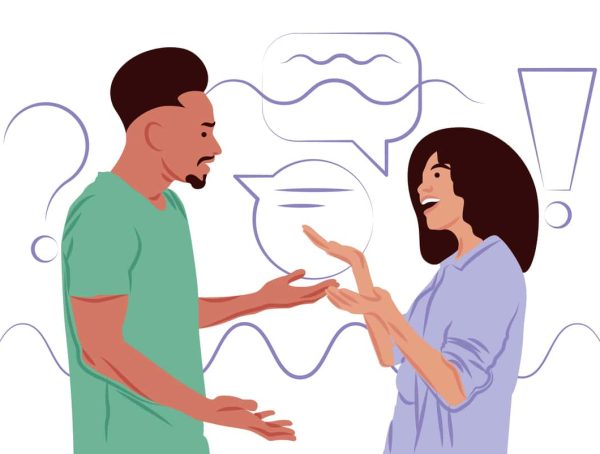
2. Communicate Clearly and Calmly. Use “I” statements to express your need without blame. “I feel overwhelmed when I get work calls after 6 PM. I need to keep that time for my family. I won’t be answering my phone after that time.”
3. State the Consequence (if needed). This is not a threat, but a natural result. “If plans are made without checking with me first, I won’t be able to participate.”
4. Be Prepared to Uphold It. Consistency is key. If you state a boundary but don’t follow through, you teach others that your limits are negotiable.
Remember, you cannot control the other person’s reaction. They may be surprised, disappointed, or even angry. A healthy relationship can withstand this discomfort. If a person consistently violates your boundaries despite clear communication, it reveals important information about the relationship’s dynamics. Setting boundaries is a skill that gets easier with practice and is essential for any thriving relationship.
More from Relationships & Communication

Empowering the Men You Care About to Start Therapy
Societal stigma can make it hard for men to seek therapy. Learn how to have a supportive, effective conversation that …

Navigating Conflict in a Relationship: From Fight to Dialogue
Conflict doesn't have to mean a fight. Learn how to transform arguments into productive dialogues by using "I" statements, staying …
How to Support a Loved One Through Trauma Recovery
Want to help a friend or family member heal from trauma but don't know how? This article provides clear, compassionate …