





Obsessive-Compulsive Disorder (OCD) in children is often misunderstood as mere neatness or a phase of rigid habits. In reality, it is a distressing anxiety disorder characterized by unwanted, intrusive thoughts (obsessions) and repetitive behaviors or mental acts (compulsions) the child feels driven to perform to reduce anxiety or prevent a feared event.
Common Symptoms in Children:
Obsessions might involve fears of contamination (germs, illness), causing harm to oneself or others, needing things to be symmetrical or “just right,” or disturbing religious or sexual thoughts. Compulsions are the rituals used to neutralize these thoughts: excessive washing, repeating actions a certain number of times, checking (locks, appliances), mental reviewing, or seeking constant reassurance from parents.
A key difference from adult OCD is that children may not realize their thoughts and behaviors are excessive. They may hide their rituals out of shame or simply feel an overwhelming need to perform them. OCD can significantly interfere with school, friendships, and family life.
Causes and Treatment: OCD is believed to be caused by a combination of genetic, neurological, and environmental factors. It involves communication issues in brain circuits linking the frontal cortex and deeper structures. The gold-standard, evidence-based treatment for childhood OCD is a form of Cognitive Behavioral Therapy called Exposure and Response Prevention (ERP).
ERP works by gently and gradually exposing the child to their feared thought or situation (exposure) while helping them resist the urge to perform the compulsive ritual (response prevention). Through this process, the child learns that the anxiety will eventually decrease on its own and that the feared consequence does not occur. In moderate to severe cases, medication (typically SSRIs) may be used in conjunction with ERP.
Early diagnosis and treatment are crucial. If you suspect your child has OCD, seek an evaluation from a mental health professional specializing in childhood anxiety disorders. With proper treatment, children can learn to manage their OCD and live full, happy lives.
More from Understanding Conditions

The Link Between ADHD and Rejection Sensitive Dysphoria (RSD)
Rejection Sensitive Dysphoria (RSD) is a crushing but common part of the ADHD experience. This article explains the intense emotional …

Helping Children Overcome Anxiety About Getting Sick
Excessive fear of germs or illness can be debilitating for a child. This guide offers parents practical, step-by-step strategies—from validation …
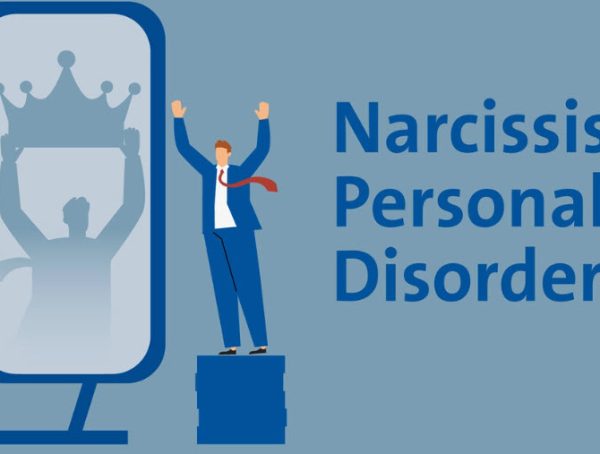
Understanding Narcissistic Personality Disorder: Beyond the Label
Narcissistic Personality Disorder is a complex clinical diagnosis, not a simple insult. This article details the formal symptoms, explores the …