





Chronic worry, or Generalized Anxiety Disorder (GAD), is like a mental hamster wheel: repetitive, exhausting, and leading nowhere productive. It involves persistent and excessive worry about various topics—health, work, finances, family—that feels difficult to control. Breaking free from this cycle requires both understanding its mechanics and learning new skills.
The cycle often starts with a “what if” thought. This triggers anxiety in the body (muscle tension, restlessness). In an attempt to gain control, your mind engages in worry, mistakenly believing it is problem-solving. However, since the worries are often about uncertain future events, no solution is reached. The lack of resolution maintains the anxiety, which prompts more worry, perpetuating the cycle. The temporary relief worry provides is what makes it so addictive.
To break the cycle, try this evidence-based approach: 1. Schedule Worry Time. Designate a 15-minute “worry period” each day. When worries pop up outside this time, gently tell yourself, “I’ll save this for my worry time.” This contains the worry instead of letting it hijack your day. 2. Practice Cognitive Defusion. Instead of fighting thoughts (“Don’t think that!”), learn to see them as just words passing through your mind. Try saying, “I’m having the thought that [my worry]” to create distance from it.
3. Problem-Solve vs. Worry. In your scheduled time, ask: “Is this a real problem I can act on, or a hypothetical ‘what if’?” If it’s actionable, brainstorm one small step. If it’s hypothetical, acknowledge it as mental noise. 4. Engage Your Senses. When anxiety spikes, do a grounding exercise. Feel your feet on the floor, listen to three distinct sounds, or describe an object in detail. This pulls you out of your head and into the present.
Breaking the worry cycle takes practice and patience. Be kind to yourself in the process. Each time you use a new tool, you are weakening the old habit and building a pathway to a calmer mind.
More from Anxiety & Stress

Coping with Social Anxiety in a Return-to-Office World
Heading back to the office can be daunting for anyone with social anxiety. Discover practical, step-by-step strategies to rebuild your …
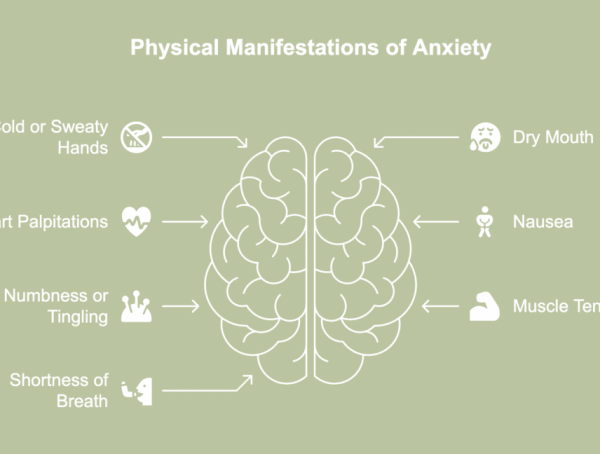
5 Physical Symptoms of Anxiety You Might Misinterpret
Anxiety doesn't only live in your thoughts. It often sends signals through your body. Learn to identify five common physical …
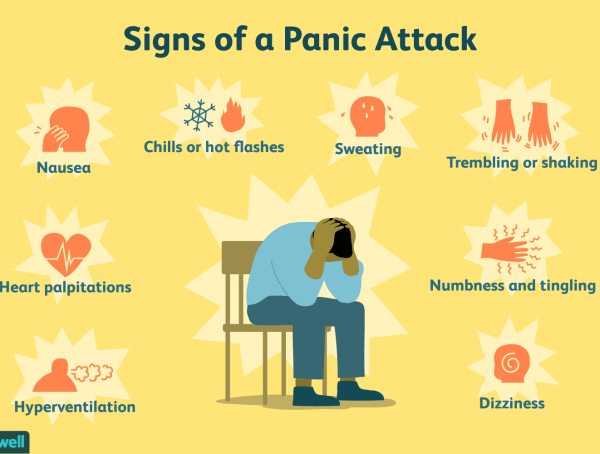
The Science of a Panic Attack: What’s Happening in Your Body and Mind
Panic attacks can feel terrifying. This article explains the neurobiology behind the experience and offers a simple, evidence-based grounding technique …