





Booking your first therapy appointment is a courageous step, but it’s normal to feel nervous about the unknown. Will you have to lie on a couch? Will the therapist just stare at you silently? Dispelling the myths can ease your anxiety and help you walk in feeling more prepared.
In reality, most first sessions are conversational and administrative. The primary goal is assessment and rapport-building. Your therapist will likely ask about what brought you to therapy now—your main concerns, symptoms, and goals. They’ll also ask questions about your history, family, work, and lifestyle to get a holistic picture. This isn’t an interrogation; it’s them gathering the map before starting the journey with you.
You can also expect to cover practicalities: discussing confidentiality and its limits, the therapist’s approach, session frequency, fees, and cancellation policies. This is a two-way street. It’s your time to interview them, too. Feel free to ask questions: “What is your experience with issues like mine?” “What does a typical session look like with you?”
You don’t need to have everything figured out or share your deepest secret in session one. It’s perfectly okay to say, “I’m not ready to talk about that yet.” The therapist’s job is to create a safe space, not to pressure you. Many people leave a first session feeling a sense of relief—simply having articulated their struggle to a compassionate professional can be powerful.
Remember, the first session is about determining if this therapist feels like a good fit. Trust your gut. Do you feel heard, respected, and safe? That connection, known as the therapeutic alliance, is one of the strongest predictors of successful therapy.
More from Therapy Guide
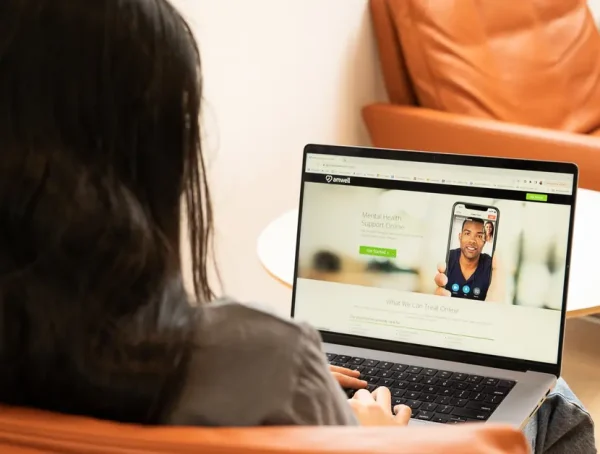
When to Consider Online Therapy: Pros, Cons, and How to Choose
Is online therapy a good fit for you? We explore the clear benefits of accessibility and comfort, the important limitations …
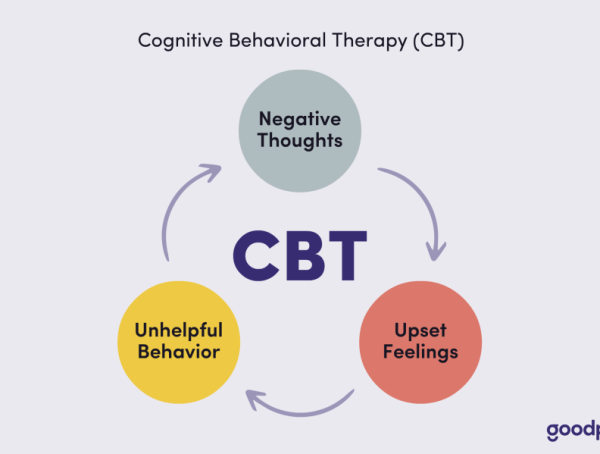
What is CBT? A Beginner’s Guide to Cognitive Behavioral Therapy
Cognitive Behavioral Therapy (CBT) is a highly effective, skills-based therapy. This beginner's guide explains its core principle—the connection between thoughts, …

How to Get the Most Out of Your Therapy Sessions
Therapy is a team effort. Learn how to become an active partner in your healing by preparing for sessions, practicing …