





It’s natural for children to have some concerns about illness, especially after experiencing a pandemic. However, when fears of germs, contamination, or getting sick become excessive, persistent, and interfere with daily life—like avoiding school, friends, or public places—it may signal Illness Anxiety Disorder or a specific phobia. This anxiety is very real to the child and requires a compassionate, strategic response.
How to Help Your Child:
1. Validate, Don’t Dismiss. Never say, “Don’t be silly, you’re fine.” Instead, acknowledge their fear: “I can see you’re really worried about germs right now. That must feel scary.” Validation opens the door for communication; dismissal shuts it down.
2. Provide Factual, Age-Appropriate Information. Anxiety thrives on the unknown. Calmly explain how the immune system works, the difference between everyday germs and serious illness, and the actual steps we take to stay healthy (like handwashing). Use simple, concrete terms.
3. Model Calm Behavior. Children take emotional cues from caregivers. If you are overly anxious about cleanliness or health, they will notice. Practice calm hygiene without excessive commentary.
4. Gradual Exposure. If your child is avoiding certain places or activities, create a gentle “bravery ladder.” Start with a low-anxiety step (e.g., touching a doorknob and then washing hands once) and progressively work up to harder steps (e.g., going to the playground). Praise every effort.
5. Teach Coping Skills. Equip them with tools to use when anxiety spikes. This could be “belly breathing” (placing a toy on their stomach and watching it rise and fall), a simple mindfulness exercise, or a mantra like, “My body is strong and knows how to stay healthy.”
6. Limit Reassurance-Seeking. While it’s tempting to constantly say, “You won’t get sick,” this can become a compulsion that maintains the anxiety. Instead, redirect: “We’ve talked about how bodies fight germs. Let’s practice our deep breathing together.”
If the anxiety is severe, causing significant distress, or leading to rituals (like compulsive handwashing), seek help from a child psychologist or therapist specializing in childhood anxiety. They can provide structured Cognitive Behavioral Therapy (CBT) to help your child overcome their fears.
More from Understanding Conditions
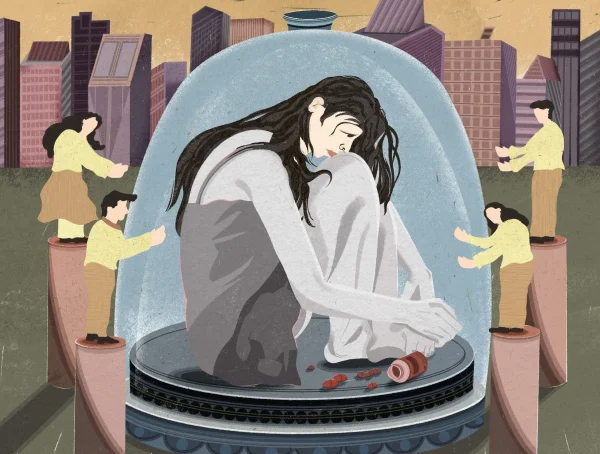
The Link Between ADHD and Rejection Sensitive Dysphoria (RSD)
Rejection Sensitive Dysphoria (RSD) is a crushing but common part of the ADHD experience. This article explains the intense emotional …
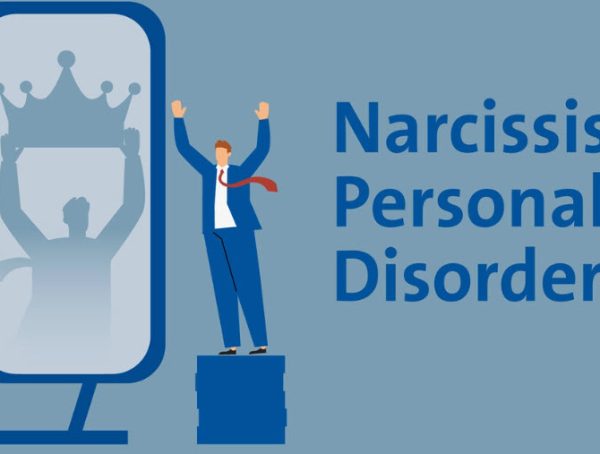
Understanding Narcissistic Personality Disorder: Beyond the Label
Narcissistic Personality Disorder is a complex clinical diagnosis, not a simple insult. This article details the formal symptoms, explores the …
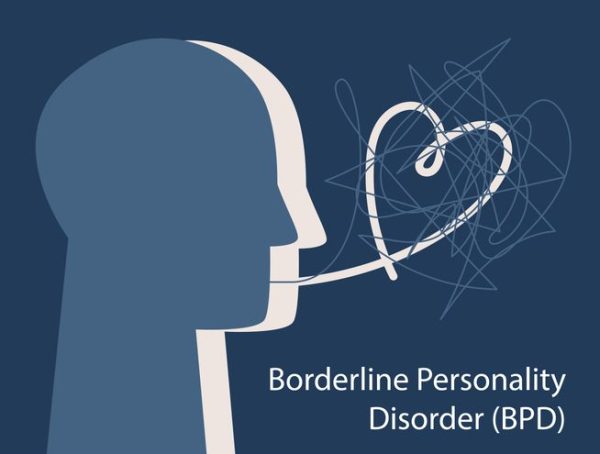
Borderline Personality Disorder 101: Symptoms, Causes, and Hope for Treatment
Borderline Personality Disorder is deeply misunderstood. This guide cuts through the stigma, explaining the core symptoms, the bio-psycho-social causes, and—most …