





Online therapy (also called teletherapy or telehealth) has moved from a niche option to a mainstream service. But is it right for you? Understanding its advantages, limitations, and best practices can help you decide.
Pros of Online Therapy:
• Accessibility & Convenience: It removes barriers like transportation, geographic location (you can see a specialist in another city), and mobility issues. You can have a session from your home, office, or even your car during a lunch break.
• Comfort and Privacy: Being in your own space can make it easier to open up for some people. It also offers anonymity in communities where seeing a local therapist might carry stigma.
• Flexibility: It often allows for more scheduling options, including evenings and weekends.
Cons and Considerations:
• Not Ideal for Crisis: Online platforms are generally not suitable for individuals in acute crisis or with severe conditions that require close, in-person monitoring.
• Technology Requirements: You need a reliable internet connection, a private space, and a device with a camera and microphone. Technical glitches can disrupt sessions.
• Non-Verbal Cues: Some subtle body language can be lost on screen, which may affect the therapeutic connection for some people and some therapeutic styles (like somatic therapy).
How to Choose a Reputable Service: Look for platforms that carefully vet their therapists (checking licenses and credentials) rather than those that simply connect you with “coaches.” Ensure the platform uses HIPAA-compliant, encrypted video software to protect your privacy. Many therapists in private practice also offer online sessions directly—this can be a great way to get the benefits of telehealth with an established professional.
If you’re considering online therapy, treat the first session as a trial. Assess the connection with the therapist and whether the format feels conducive to your healing. The most important factor remains the quality of the therapeutic relationship, regardless of the medium.
More from Therapy Guide
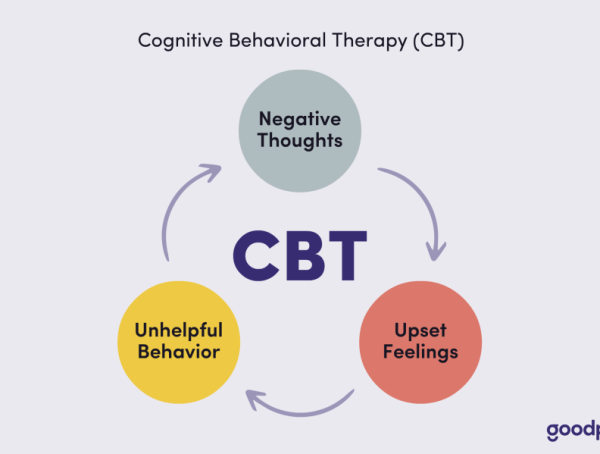
What is CBT? A Beginner’s Guide to Cognitive Behavioral Therapy
Cognitive Behavioral Therapy (CBT) is a highly effective, skills-based therapy. This beginner's guide explains its core principle—the connection between thoughts, …

How to Get the Most Out of Your Therapy Sessions
Therapy is a team effort. Learn how to become an active partner in your healing by preparing for sessions, practicing …

Demystifying Therapist Licenses: LPC, LMFT, LCSW, and More
Confused by therapist credentials? This guide breaks down the key differences between LPCs, LMFTs, LCSWs, Psychologists, and Psychiatrists to help …