





Anxiety is often thought of as a condition of the mind, characterized by worry and fear. However, it frequently manifests through very real, and sometimes confusing, physical symptoms. Recognizing these signals is key to understanding your anxiety and seeking appropriate help.
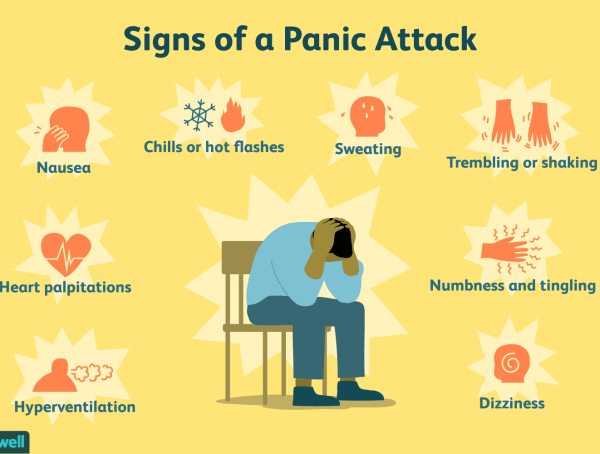
1. Chest Pain or Palpitations: This is one of the most common and frightening symptoms, often mistaken for a heart attack. Anxiety can cause your heart to race or pound (palpitations) and create a feeling of tightness or pain in your chest due to muscle tension and increased heart rate.
2. Gastrointestinal Distress: The gut is highly sensitive to emotional stress. Anxiety can cause nausea, stomach cramps, bloating, diarrhea, or irritable bowel syndrome (IBS) symptoms. This is due to the brain-gut connection, where stress hormones disrupt normal digestion.
3. Dizziness or Lightheadedness: When anxious, you may breathe more rapidly or shallowly (hyperventilation). This can change the balance of oxygen and carbon dioxide in your blood, leading to feelings of dizziness, unsteadiness, or that you might faint.
4. Chronic Muscle Tension or Pain: A constant state of low-level “fight or flight” readiness keeps your muscles, especially in the neck, shoulders, and back, chronically tense. Over time, this can lead to headaches (tension-type headaches), jaw pain (TMJ), and general body aches.
5. Numbness or Tingling: Often felt in the hands, feet, or face, this sensation (paresthesia) is another result of hyperventilation and changes in blood flow and nerve sensitivity caused by stress hormones.
If you experience persistent physical symptoms, it’s crucial to consult a doctor first to rule out other medical conditions. If a physical cause is not found, consider discussing anxiety with a healthcare professional. Understanding that these physical feelings have an emotional root can be the first step toward effective management and relief.
More from Anxiety & Stress

Breaking the Cycle of Chronic Worry: A Step-by-Step Guide
Stuck in a loop of "what if" thinking? Chronic worry can feel uncontrollable, but it is a habit that can …

Coping with Social Anxiety in a Return-to-Office World
Heading back to the office can be daunting for anyone with social anxiety. Discover practical, step-by-step strategies to rebuild your …
The Science of a Panic Attack: What’s Happening in Your Body and Mind
Panic attacks can feel terrifying. This article explains the neurobiology behind the experience and offers a simple, evidence-based grounding technique …