





The shift back to in-person work can be a significant source of stress, especially for those managing social anxiety. The thought of small talk in the breakroom, presentations in a conference room, or being “on display” at a desk can feel overwhelming after a period of relative isolation.
Social anxiety is more than just shyness; it’s an intense fear of being judged, negatively evaluated, or rejected in social or performance situations. The return-to-office (RTO) transition can trigger this fear, as social “muscles” may feel out of practice and expectations feel high.
Here are a few strategies to navigate this transition more comfortably. First, practice graded exposure. Instead of diving into a full-day office event, start small. Aim to say “good morning” to one colleague, then gradually increase your interaction goals. Second, reframe your thoughts. Challenge catastrophic predictions (“I’ll say something stupid and everyone will laugh”) with more realistic ones (“Everyone is focused on their own transition; a minor awkward moment is normal and will pass”).
Third, prepare conversation starters. Having a few neutral, open-ended questions in your back pocket can ease the pressure of small talk (e.g., “What did you think of that company-wide meeting?”, “Any plans for the weekend?”). Fourth, schedule recovery time. If you know a team lunch will be draining, block out 30 minutes of quiet time afterward to recharge. Recognize that feeling drained is a normal response, not a failure.
Finally, be your own advocate. If certain arrangements help (like a quieter workspace or camera-off options for virtual meetings), discuss them with your manager. Remember, it’s a transition for everyone, and giving yourself grace and patience is the most important tool you have.
More from Anxiety & Stress

Breaking the Cycle of Chronic Worry: A Step-by-Step Guide
Stuck in a loop of "what if" thinking? Chronic worry can feel uncontrollable, but it is a habit that can …
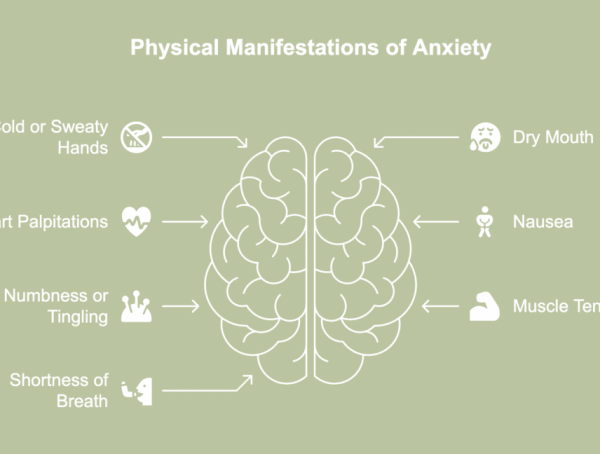
5 Physical Symptoms of Anxiety You Might Misinterpret
Anxiety doesn't only live in your thoughts. It often sends signals through your body. Learn to identify five common physical …
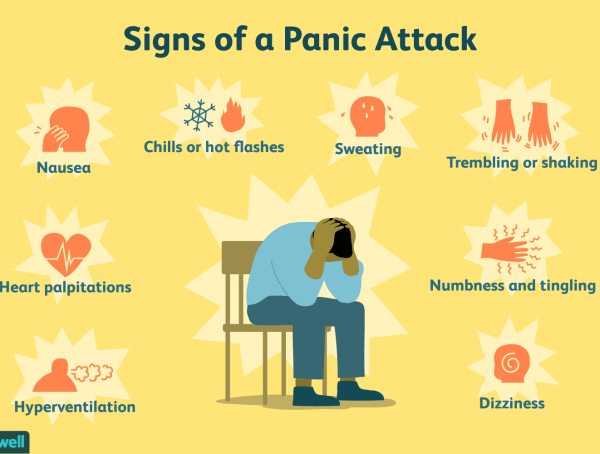
The Science of a Panic Attack: What’s Happening in Your Body and Mind
Panic attacks can feel terrifying. This article explains the neurobiology behind the experience and offers a simple, evidence-based grounding technique …