





Searching for a therapist can feel overwhelming, especially when you encounter a alphabet soup of credentials after their names: LPC, LMFT, LCSW, PsyD. What do they mean, and how do you choose? Understanding these licenses can help you find the right professional for your needs.
Licensed Professional Counselor (LPC) / Licensed Mental Health Counselor (LMHC): These therapists typically hold a master’s degree in counseling or a related field. Their training focuses on psychotherapy and counseling techniques to help individuals, couples, and families address mental health issues, develop coping skills, and work toward life goals. They provide talk therapy for conditions like anxiety, depression, and stress.
Licensed Marriage and Family Therapist (LMFT): As the name suggests, LMFTs are trained with a specific focus on relationships and family systems. They hold a master’s degree and are experts in understanding how family dynamics, communication patterns, and relational issues contribute to individual and collective mental health. They are an excellent choice for couples or family therapy or for individuals whose primary concerns involve relationships.
Licensed Clinical Social Worker (LCSW): LCSWs hold a Master of Social Work (MSW) degree. Their training is unique in that it combines psychotherapy with a focus on the client’s environment and social systems. They are skilled at helping individuals navigate external stressors (like housing, employment, or social services) while also providing therapy for mental health conditions. They often take a holistic, person-in-environment approach.
Psychologist (PhD, PsyD): Psychologists hold a doctoral degree (PhD or PsyD) in psychology. They are trained to provide in-depth psychotherapy and are also qualified to conduct psychological testing and assessment (like for ADHD, learning disabilities, or cognitive functioning). A PhD is typically more research-focused, while a PsyD is more clinically focused.
Psychiatrist (MD or DO): Psychiatrists are medical doctors who can prescribe medication. They primarily focus on the medical and biological aspects of mental health. While some provide therapy, many work in conjunction with therapists who handle the regular talk therapy sessions.
The most important factor is the therapist’s experience with your specific concerns and the personal connection you feel. Don’t hesitate to ask a potential therapist about their training and approach during a consultation.
More from Therapy Guide

When to Consider Online Therapy: Pros, Cons, and How to Choose
Is online therapy a good fit for you? We explore the clear benefits of accessibility and comfort, the important limitations …
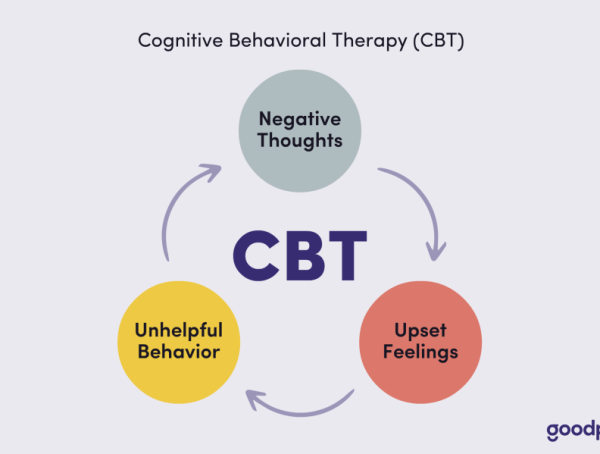
What is CBT? A Beginner’s Guide to Cognitive Behavioral Therapy
Cognitive Behavioral Therapy (CBT) is a highly effective, skills-based therapy. This beginner's guide explains its core principle—the connection between thoughts, …

How to Get the Most Out of Your Therapy Sessions
Therapy is a team effort. Learn how to become an active partner in your healing by preparing for sessions, practicing …