





Change is a natural part of life, but that doesn’t make it easy. Whether it’s starting a new job, moving to a new city, or ending a relationship, transitions often come with a wave of anxiety. This reaction isn’t a flaw or a sign of weakness; it’s a natural human response to stepping into the unknown.
Anxiety during transitions often stems from our brain’s built-in threat detection system. When faced with change, the amygdala—the part of the brain responsible for processing emotions—can perceive uncertainty as a potential threat. This triggers the “fight, flight, or freeze” response, releasing stress hormones like cortisol. Even positive changes, like a promotion or a wedding, involve loss of the familiar, which the brain can register as a threat to our stability and safety.
So, what can you do when transition anxiety strikes? First, acknowledge and normalize your feelings. Label the emotion by saying to yourself, “This is anxiety about the change I’m experiencing.” Second, focus on what you can control. Break the large transition into small, manageable steps. Create a simple routine for your day to provide pockets of predictability. Finally, practice self-compassion. Speak to yourself as you would to a good friend going through the same change, with kindness and encouragement.
Remember, the goal isn’t to eliminate anxiety completely but to build a toolkit to manage it. By understanding the “why” behind your feelings and taking proactive, small steps, you can navigate life’s inevitable changes with greater resilience and calm.
More from Anxiety & Stress

Breaking the Cycle of Chronic Worry: A Step-by-Step Guide
Stuck in a loop of "what if" thinking? Chronic worry can feel uncontrollable, but it is a habit that can …

Coping with Social Anxiety in a Return-to-Office World
Heading back to the office can be daunting for anyone with social anxiety. Discover practical, step-by-step strategies to rebuild your …
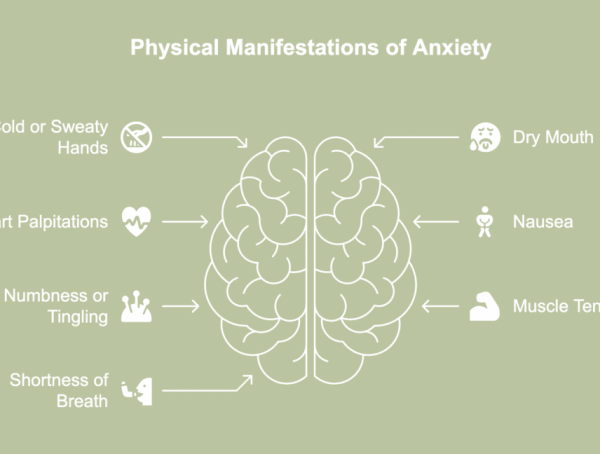
5 Physical Symptoms of Anxiety You Might Misinterpret
Anxiety doesn't only live in your thoughts. It often sends signals through your body. Learn to identify five common physical …